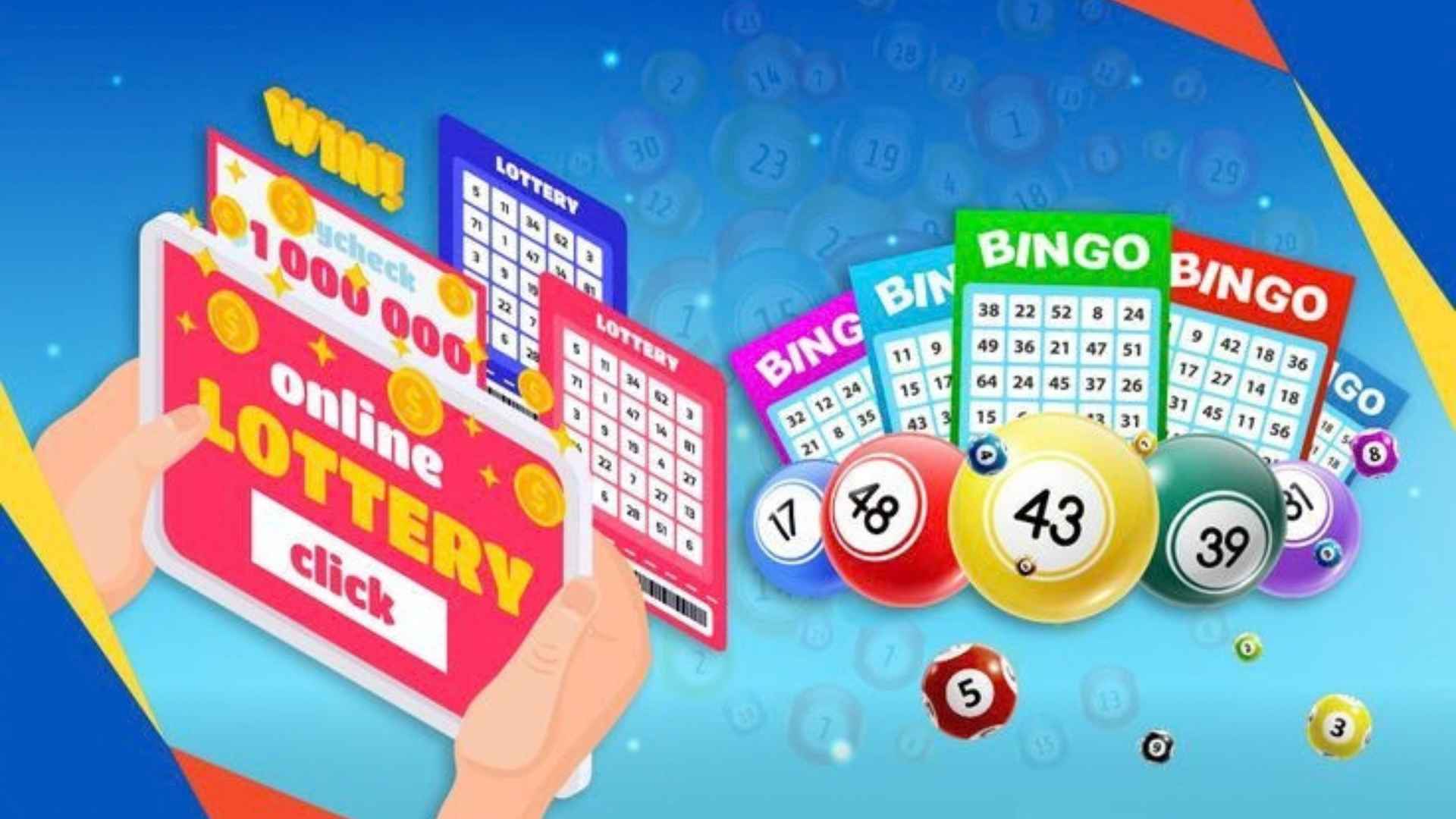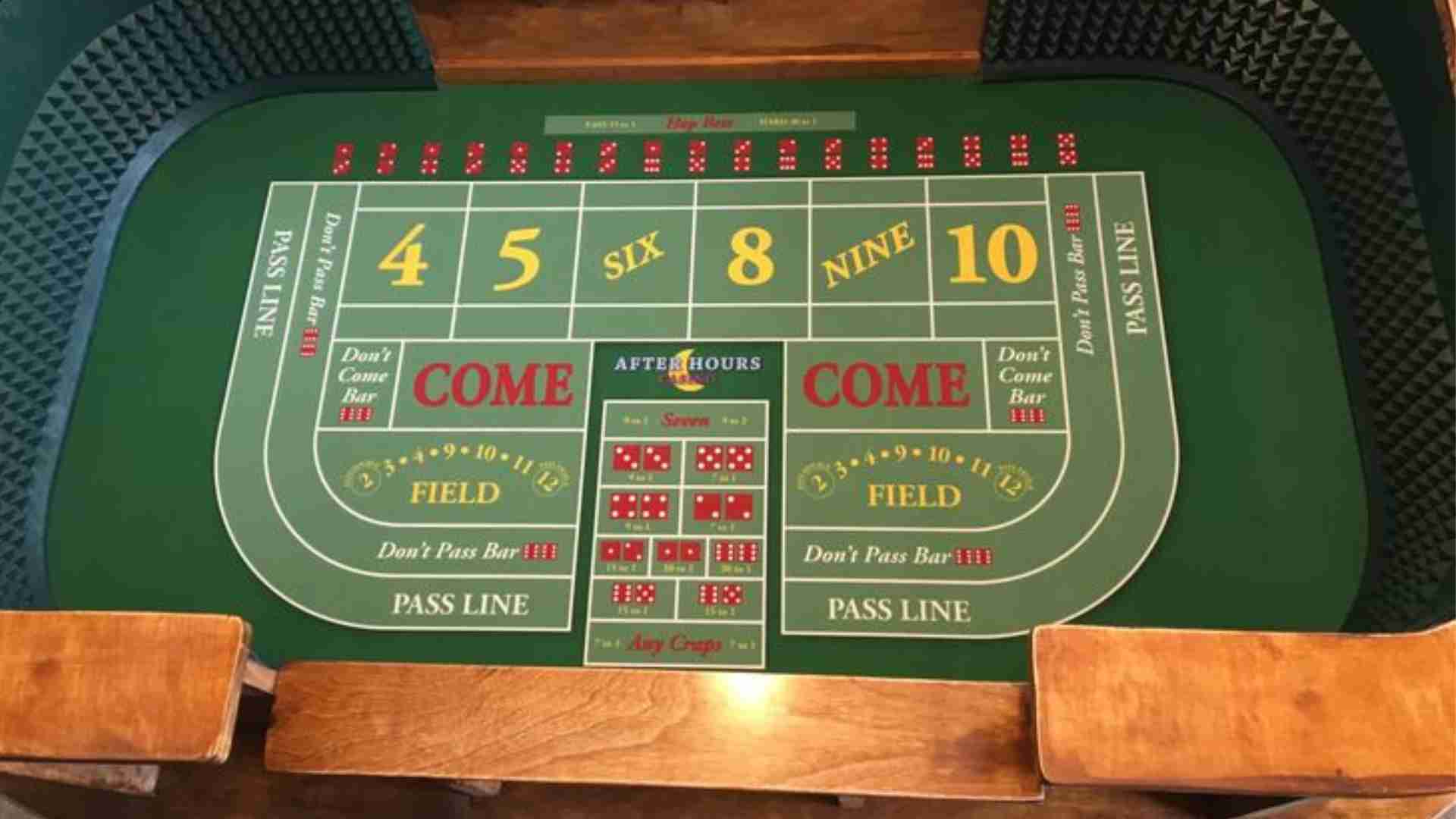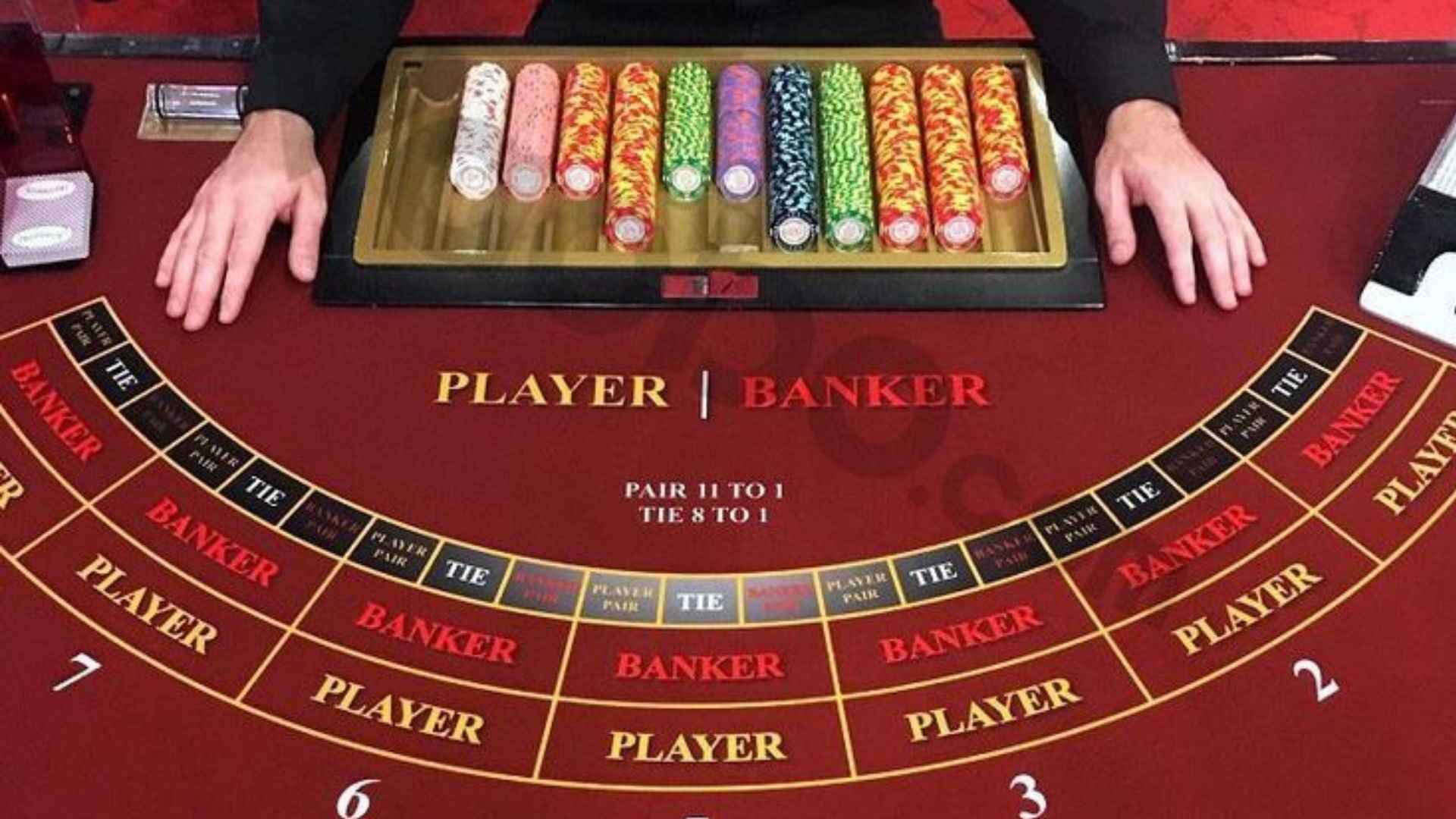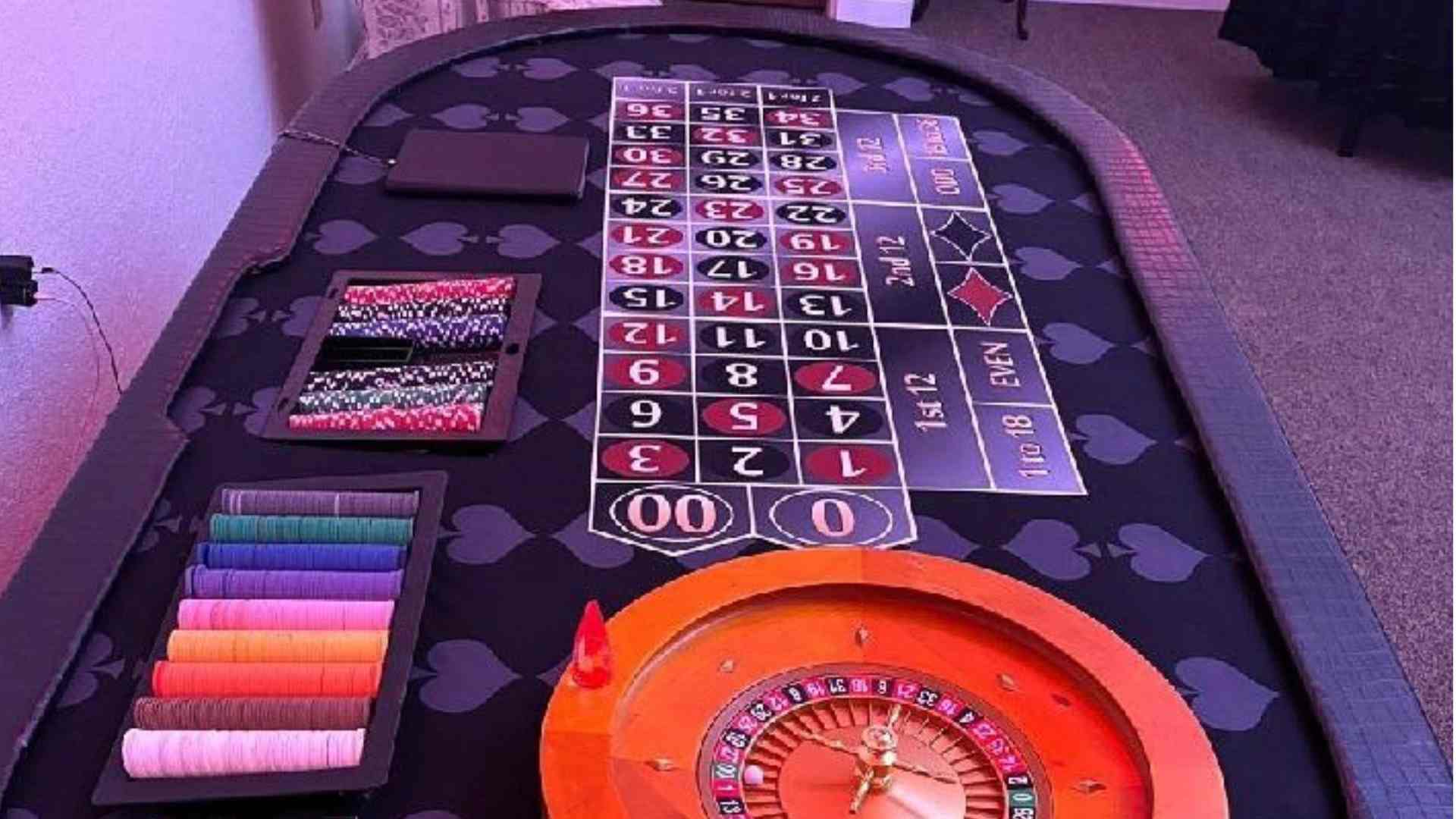
In an era dominated by high-tech visual effects and digital displays, the humble physical prop continues to hold extraordinary power in live gaming and performance environments. Whether in table games, escape rooms, or interactive theater, tangible objects ground the experience in tangible reality. This tactile connection instantly raises the emotional stakes for everyone gathered in the space.
The Psychology of Tactile Engagement
Physical objects trigger immediate sensory responses that digital screens simply cannot replicate. When players hold a key, roll a heavy set of dice, or turn an ornate hourglass, their minds register the physical weight of decision-making. This tangible interaction creates a heightened state of focus and anticipation among participants.
Furthermore, shared physical experiences foster a unique group dynamic across the room. Observing someone interact with a real object generates collective empathy and focus. Everyone in the space watches the exact same physical movement, unifying the room in shared tension.
Building Anticipation Through Physical Rules
Physical objects operate under natural laws of physics, introducing an element of unscripted drama. A rolling die or a wobbling tower responds to gravity and momentum, creating genuine uncertainty until the moment it comes to rest. This unpredictable reality heightens suspense because the outcome feels raw and unmanipulated.
Many strategic environments leverage physical props to establish clear risk parameters. Just as players seeking secure access to entertainment portals use an m88 login to enter their accounts safely, physical props act as secure gateways to immersive play. The absolute finality of a prop settling into place leaves no room for debate or digital error.
Designing Environmentally Immersive Spaces
Integrating simple physical props can transform ordinary rooms into captivating narrative environments without demanding vast budgets. Classic items like padlocks, sealed envelopes, and customized tokens immediately signal to participants that every action matters. This transformation relies heavily on psychological suggestion rather than elaborate scenery.
Effective prop placement also encourages natural movement and organic exploration within a physical space. Participants interact directly with their surroundings, shifting from passive observers to active catalysts of the drama. This active engagement keeps energy levels consistently high throughout the entire session.
The Enduring Value of Tangible Suspense
Ultimately, the simplicity of physical props ensures their ongoing relevance in modern entertainment design. High-tech gadgetry often risks technical failure or user detachment, whereas tactile tools remain reliable and intuitive. Their immediate readability lets players focus entirely on strategy, risk, and story.
By blending tactile mechanics with clear, well-designed objectives, facilitators can cultivate unforgettable atmosphere in any room. The satisfaction of a physical accomplishment leaves a lasting impression that virtual substitutes rarely achieve. Simple props prove that the best suspense is often crafted by hand.