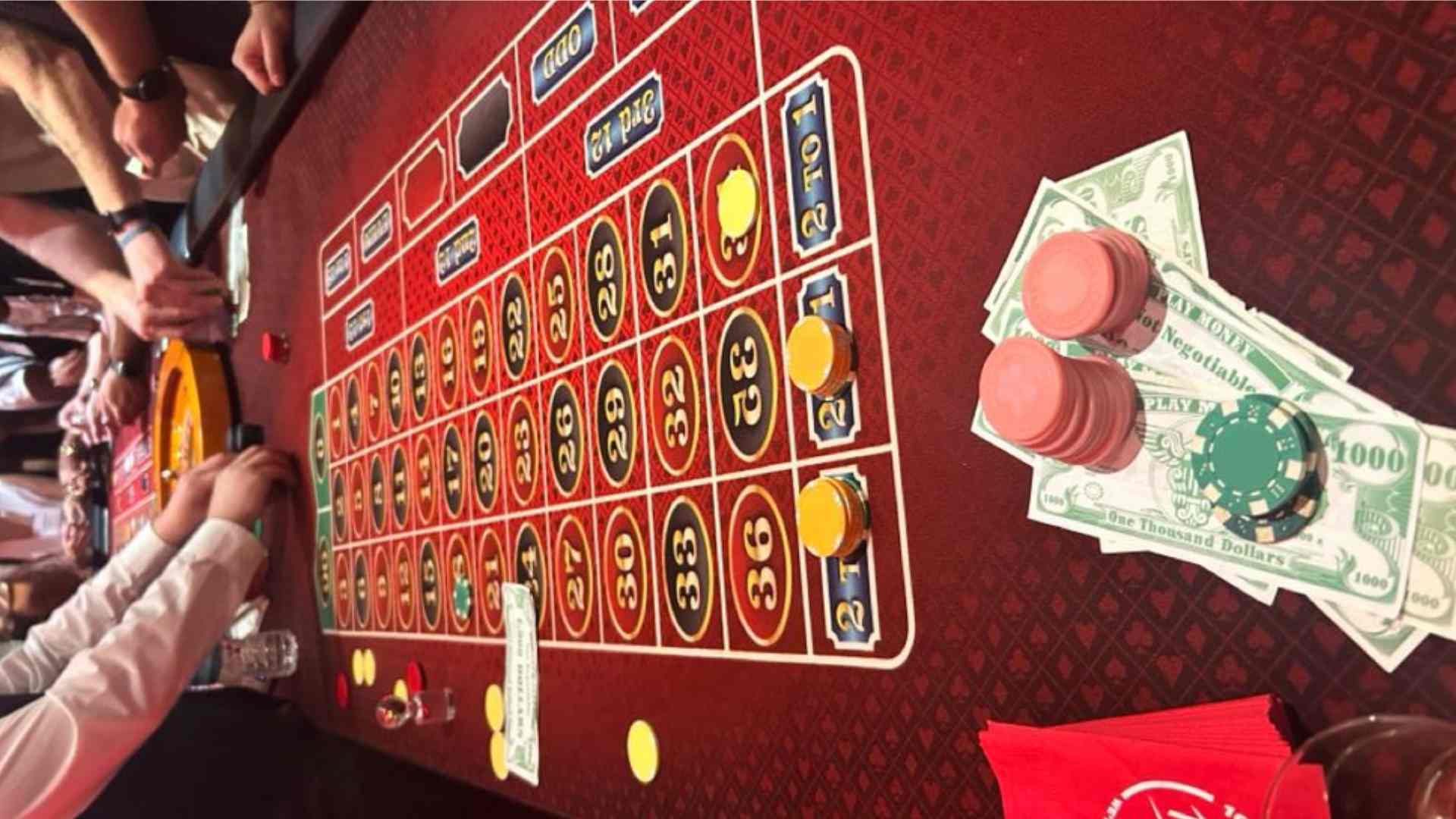
The visual world of online entertainment is moving away from generic setups toward highly specialized themes that tell a distinct story. Spinning games, which traditionally relied on basic numbers and simple wheels, are experiencing a major stylistic revolution. Modern aesthetic layouts now completely redefine the identity of these titles, ensuring they stand out in a crowded market.
The Transition Toward Artistic Concepts
Today's creative developers understand that a classic interface can become monotonous without custom visual enhancements. They implement distinct stylistic rules, geometric frameworks, and cultural themes to turn standard wheels into immersive digital objects. This artistic approach allows casual gaming experiences to feel like intentional narratives rather than repetitive tasks.
Furthermore, customized textures and bespoke interface designs establish a direct emotional connection with different player groups. When a title features sleek minimalist design or neon cyber themes, it immediately speaks to specific consumer habits. This thoughtful design choice gives the classic format a premium sense of purpose.
Dynamic Movement and Real Time Artistry
The evolution extends beyond static graphics into the actual fluid physics of the interface in motion. Modern titles use custom lighting, particle effects, and multi-layered background animations to track the deceleration process. These tiny details keep the participant deeply focused on the journey of the spin rather than just the final reward.
By combining physical responsiveness with colorful color palettes, creators generate deep atmospheric immersion. If you are exploring various alternative platforms for premium digital entertainment, accessing a reliable resource like wd boss link alternatif can lead to highly optimized interfaces. These modern architectures ensure that every single rotation feels smooth and visually captivating from start to finish.
How Unique Layouts Guide the User Journey
The placement of buttons, indicators, and historical logs shapes how easily individuals can interact with a digital layout. Clean, professional structures eliminate visual confusion and let the creative identity of the game take center stage. When interfaces prioritize clarity alongside visual personality, consumer trust and long-term engagement increase naturally.
Additionally, balancing complex background landscapes with readable scoring matrices creates a relaxing user environment. This subtle design strategy prevents cognitive exhaustion, allowing players to enjoy short sessions without feeling overwhelmed by flashing graphics. The resulting balance makes simple mechanics remarkably memorable.
The Future of Aesthetic Personalization
As technological capabilities expand, virtual tools will likely let audiences customize their spinning interfaces in real time. Choosing personalized color schemes, tracking styles, and background sound profiles will grant players greater creative agency over their gaming. This deep personalization will solidify these titles as a permanent fixture of contemporary pop culture.
Ultimately, the continuous survival of rotation-based systems depends entirely on how effectively they evolve visually. By mixing classic psychology with modern digital craftsmanship, current designers protect the legacy of random selection. The continuous exploration of fresh themes ensures that the simple spin remains a highly respected form of entertainment.